


The following advice may be helpful as you prepare to travel. Before you go, do your research about the country you plan to visit and learn a few phrases in the local language. It would be a good idea to arrange supplementary health insurance and travel insurance. Carry proof of insurance coverage, and give a copy to someone at home. Have any required vaccinations. If you are taking medication with you, make sure you keep it in its original container. Carry a doctor's prescription for any controlled drugs, and if you use syringes, carry a medical certificate. Leave copies at home as well. Make sure your passport has not expired and is valid for six months beyond the time of your trip. Photocopy the identification page and keep it separate from your passport. Leave another copy with someone at home. Make sure you have any visas you need. Keep the original receipts for any purchases you make, as well as for your hotel bill, rental car agreement, and medical service bills.
Botswana is a year round wildlife destination. Lodges and hotels are operational all year round. The year is divided into rainy season (though it doesn't rain much) and the dry season.
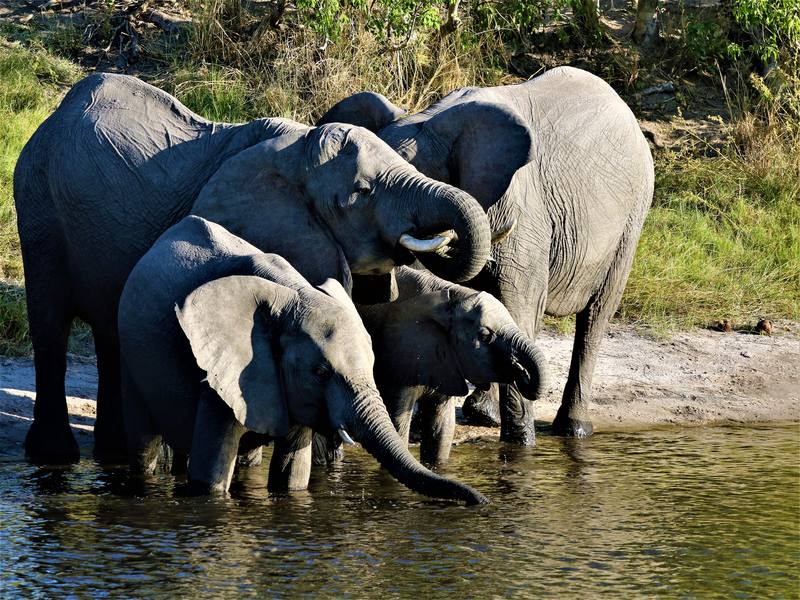
The most comfortable time for a Botswana tour or safari is during the dry winter season (May to October). The rains have passed, the mosquitoes (mostly) gone and the wildlife begins to concentrate in increasing numbers at waterholes and rivers. Winter in Botswana is mild and pleasant – warm sunny days and cool to very cold nights. Morning game drives will see you wrapped up in blankets but you'll be by the pool after lunch.
November to April is a less popular time for taking a Botswana safari. This is the summer (HOT) wet season, and due to the abundance of water it is less certain that one will see wildlife at perennial water holes. Also, the heavy rains can make some dirt roads impassable, not to mention the fact that the rains herald the beginning of the mosquito season. However, this is the best season for bird watching; when the bush is full of local breeding birds. It is also the best time to visit the Kalahari and the Makgadikgadi & Nxai Pans.
If you are thinking about when to visit Botswana and you are worried about malaria, then a dry season visit would be the best time to travel.
Binoculars, torch, insect repellent, lip salve, sunscreen, sunglasses. Cosmetics, medications and cigarettes are all available in the major towns, but if specific brand names are needed, it is best to bring enough to last your stay. However, care needs to be taken to comply with international aviation security regulations for items in carry on luggage. Contact your airline for details.
English is an official language in Botswana. It is taught at schools, and is widely spoken in all urban centers. Even in rural areas, many local villagers (especially younger ones who have received schooling) will be able to converse in English. All guides and general staff in the camps, lodges and hotels have a good command of English. Majority of the people speak the native language; Setswana.
Electricity is supplied at 220/240v. Both square and round wall plugs are used.
Most of Botswana is networked by automatic telephone exchanges, with public telephones in even the most remote places. The International access code in Botswana is 00. When calling international to Botswana, dial +267.
Cellular phone coverage is provided Mascom, Orange and be Mobile. Mobile Sim cards are available in most supermarkets and service stations. All major towns in Botswana are network covered, as well as portions of the national highway. Mobile networks in Botswana offer various services to their subscribers, including Internet access, fax, and International Roaming. It is always important to seek advice about network services so as to choose one that will work for you.
Botswana has a relatively low crime rate and violent crimes are rare. Tourists are advised however to practice common sense and take precautions that they would take in their own countries. Keep your personal belongings safe and watch over them at all times.
Botswana is one of the healthiest countries in sub-Saharan Africa, with good primary health care facilities available throughout the country. Vaccines are not compulsory for visiting Botswana but Hepatitis A & B, Thyphoid, Tetanus and Malaria are recommended.
It is essential for visitors to remote areas of Botswana to have a comprehensive medical insurance policy, to provide coverage for the treatment of serious illnesses/accidents, and if required, medical evacuation. Personal effects insurance is also advisable. Check that your insurance policy will be accepted by service providers in Botswana. Ensure that you are treated by licensed medical personnel to enable you to provide your insurance company with appropriate documentation and receipts. Reasonably priced medical services are available at government clinics and hospitals throughout the country. Private medical practitioners are available in the cities and major towns, such as Gaborone, Francistown and Maun.
Tap water throughout the country is safe to drink. Bottled mineral water is readily available in most shops and supermarkets, and at camps and lodges. Tourists travelling by road are advised to carry sufficient water at all times.
Visitors are advised to take the necessary precautions against HIV/AIDS and other sexually transmitted diseases.
Malaria, including cerebral malaria, is common in northern Botswana, in the Okavango and Chobe areas, particularly during and immediately following the rainy season, from November to April.
As the strains of malaria, and the drugs used to combat them, frequently change, and as certain strains can become drug resistant, it is best to seek medical advice before your departure and take any medication prescribed. Pregnant or very young children are not advised to travel to malarial areas. Other precautions are: to wear long sleeves, socks, closed shoes, and generally keep the body covered, to sleep with a mosquito net and to use mosquito coils and repellent.
Always take preventive measures that include wearing a wide-brimmed sunhat and sunglasses, liberally applying sunscreen every three or four hours, regularly taking rehydration mixes, drinking plenty of water and fruit juices (at least three litres of liquid daily), avoiding prolonged exposure to the sun, and avoiding excessive amounts of alcohol, which causes dehydration.